


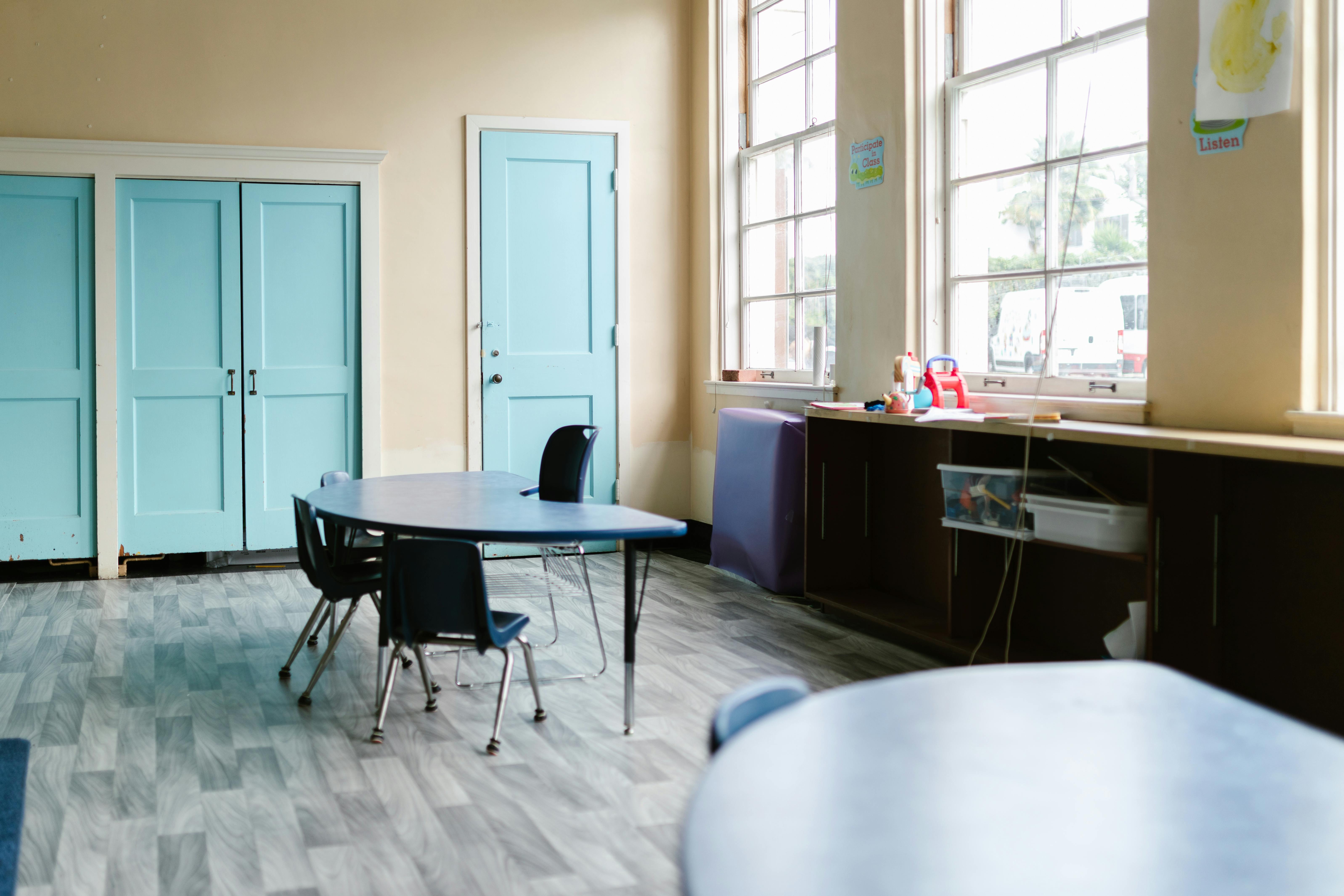
If you are like many educators, you want your classroom to feel like creation, not chaos. NICE (Nurturing, Integrated, Courageous, Encouraging) helps you build inner harmony that sustains your teaching life, while WAND reminds you that you are Worthy, Worldly, Authentic, and Divinely Directed. Together, they point to one truth: a peaceful classroom begins with an organized mind. Organization is not just color-coded bins—it is mental spaciousness. When your thoughts are clear, your classroom follows. The goal is not perfection, but flow.
Good news: you can cultivate that flow with five simple practices.
These steps include:
- Step 1: Declutter Weekly
- Step 2: Plan With Intention
- Step 3: Use Visual Clarity
- Step 4: Adopt a 10-Minute Tidy Rule
- Step 5: Organize Your Thoughts Through Journaling
Let’s look at each step in more detail…
Step 1: Declutter Weekly
Paper piles and digital clutter drain focus. Usually, you can avoid that by scheduling a short, consistent reset so your brain knows order is coming.
For example: Every Friday, set a 25-minute timer: file graded work, recycle extras, clear one surface, empty your inbox to a “Later” folder with three flagged items only. Finish by wiping the board so Monday starts clean.
Step 2: Plan With Intention
A long to-do list invites decision fatigue. Usually, you can avoid that by choosing three weekly goals—one for students, one for the room, one for yourself.
For example: Sunday evening, write: Students: “Warm-up complete in 3 minutes.” Classroom: “Launch make-up/absent bin.” Self: “Leave on time twice.” Post these at your desk and review on Friday.
Step 3: Use Visual Clarity
Hidden materials create hidden stress. Usually, you can avoid that by making the next step obvious at a glance.
For example: Keep a standing file or three labeled trays: Today, This Week, Make-Up/Absent. Add a small visual agenda on the board with icons (read, discuss, practice, reflect). When your eyes see order, your mind rests.
Step 4: Adopt a 10-Minute Tidy Rule
End-of-day drift becomes next-day overwhelm. Usually, you can avoid that by restoring minimum order before you leave.
For example: Set a 10-minute timer: return materials to Today/This Week trays, clear one hotspot, set tomorrow’s top three on a sticky note, lay out first-period materials. Lights off. Go.
Step 5: Organize Your Thoughts Through Journaling
Mental clutter won’t file itself. Usually, you can avoid spinning by doing a quick brain dump that turns noise into next actions.
For example: After dismissal, write for three minutes: “Everything swirling.” Then star the top one to three items and schedule them. If a thought can wait, park it in a “Next Week” list so your mind can let it go.
Calm is an inside job. When you declutter on purpose, plan with intention, and make order visible, you create the inner space that lets your classroom flow.
I hope that you enjoyed reading this blog post, written especially for you. It was taken straight from my mind and heart as I felt vulnerable to share glimpses of my world with you. The article was polished and meticulously reviewed to make sure it was in the best possible light before it was published so that it may serve you well.
If you’re seeking additional resources or personalized support, feel free to reach out at www.insightfuleducation.org. Together, we can cultivate classrooms where you and your students feel empowered to learn and thrive, which is aligned with the NICE Teacher framework (Nurturing, Integrated, Courageous, and Encouraging).